
Plants of the Mhamid El Ghizlane Desert
Discover the richness of our region's flora
The Flora of the Mhamid El Ghizlane Desert
Discover the plants that grow in the arid and desert regions of Mhamid El Ghizlane. Trees, shrubs and wild plants have developed special characteristics that allow them to survive in difficult environmental conditions.
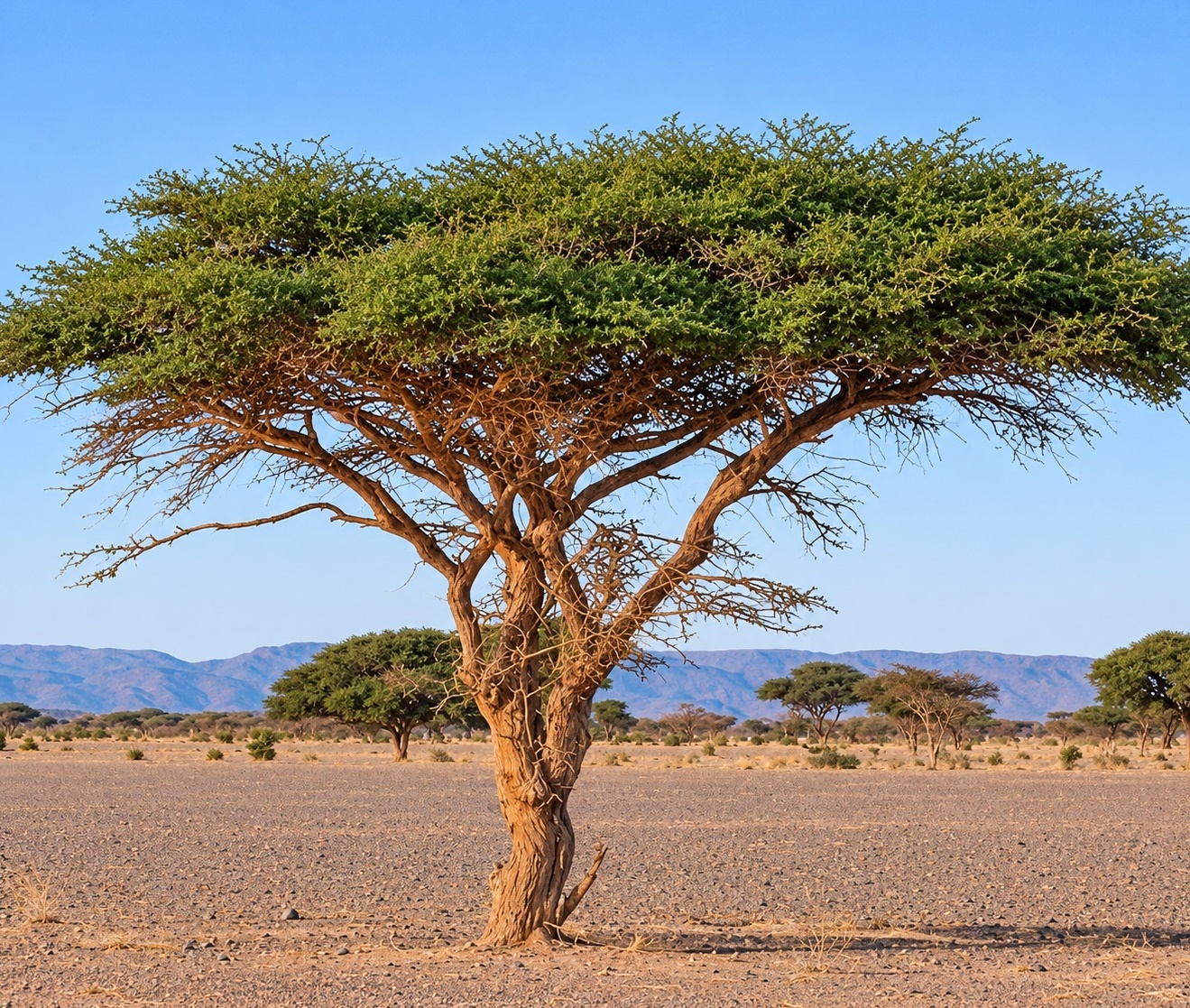
Acacia
Common name: Acacia
Local name: ATTAL’H
Scientific name: Vachellia tortilis
Family: Fabaceae
Habitat: Deserts and arid regions.
Description
The acacia is a thorny tree that grows in the desert regions of Morocco, particularly around Mhamid El Ghizlane. It has a strong trunk, spreading umbrella-shaped branches and small compound leaves. Its flowers are usually yellow or whitish, and its fruits grow in the form of pods.
Ecological Importance
This tree is resistant to drought and helps protect the soil. It provides shade, shelter and food for several desert animals.
The acacia is a valuable tree for life in the desert. It contributes to the balance of the Saharan ecosystem.
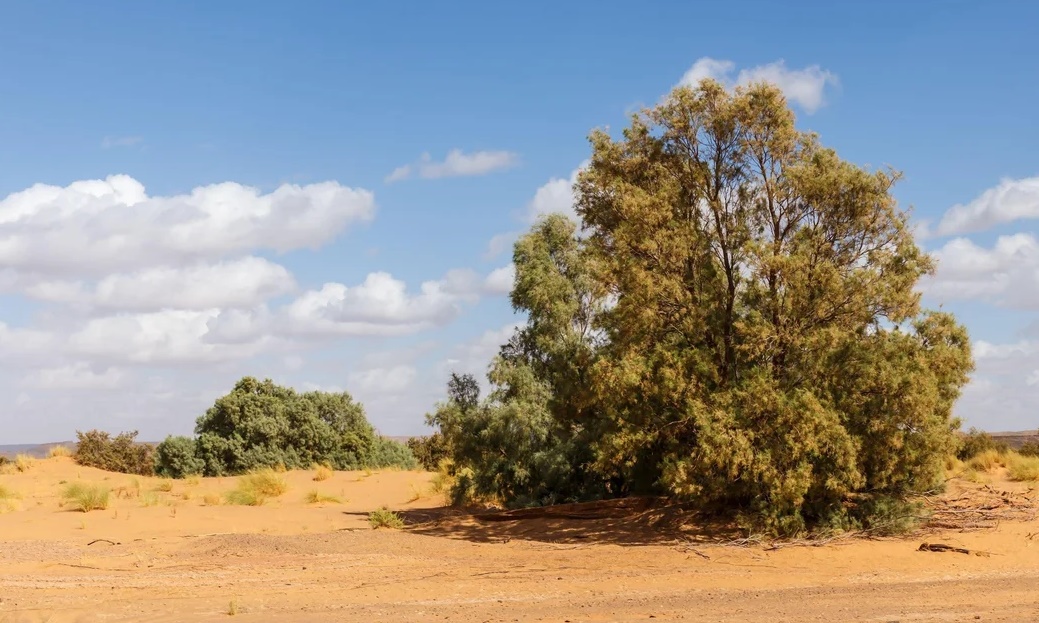
Tamarisk
Common name: Tamarisk
Local name: LATL
Scientific name: Tamarix spp.
Family: Tamaricaceae
Habitat: Desert areas, oases, riverbeds and saline soils.
Description
The tamarisk is a tree or shrub that grows in the arid and desert regions of Morocco, particularly around M’hamid El Ghizlane. It has numerous tiny scale-like leaves, thin and flexible branches, and often a strong trunk. Its small flowers are usually pinkish or whitish and appear in clusters.
Ecological Importance
The tamarisk is particularly well adapted to the harsh conditions of the desert. It tolerates drought and saline soils. Its roots help stabilise the soil and limit erosion. It also provides shelter for several animal species.
Some tamarisk trees can grow in highly saline soils where very few other trees can survive. They therefore play an important role in maintaining the ecological balance of oases and desert environments.
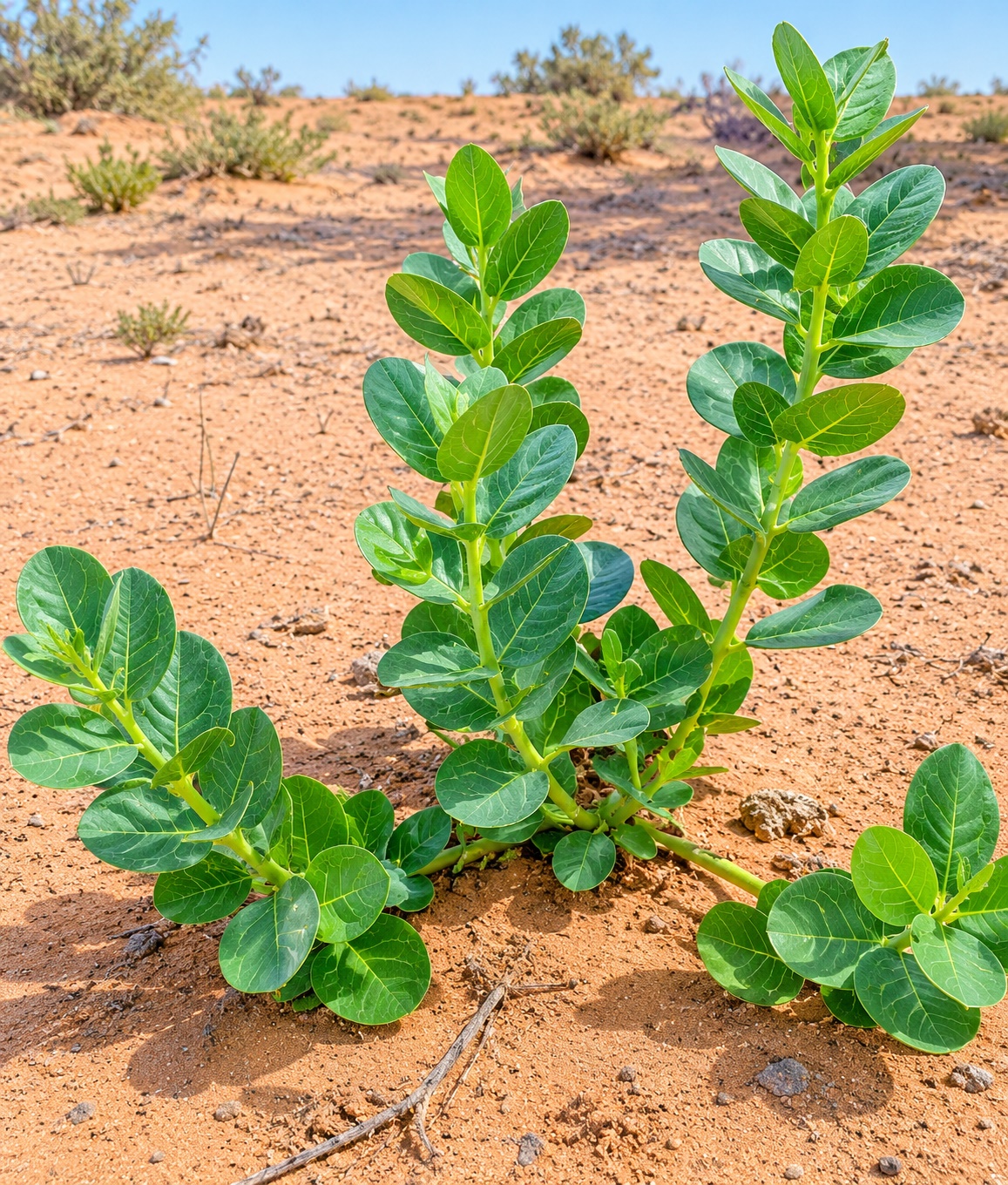
Sodom Apple
Common name: Sodom Apple
Local name: TOURZA
Scientific name: Calotropis procera
Family: Apocynaceae
Habitat: Arid and desert regions, sandy areas and disturbed soils.
Description
The Sodom apple is a shrub that grows in the hot and desert regions of Morocco, particularly around M’hamid El Ghizlane. It has large, thick, oval-shaped, greyish-green leaves. Its flowers grow in small clusters and are generally white and purple. Its fruits are large and contain seeds covered with long, silky hairs.
Ecological Importance
This plant is well adapted to the harsh conditions of the desert. It contributes to the vegetation of arid environments and provides a food source for certain pollinating insects.
When a leaf or branch is cut, the plant releases a white latex. Warning: this latex is toxic and must never come into contact with the eyes or be swallowed.
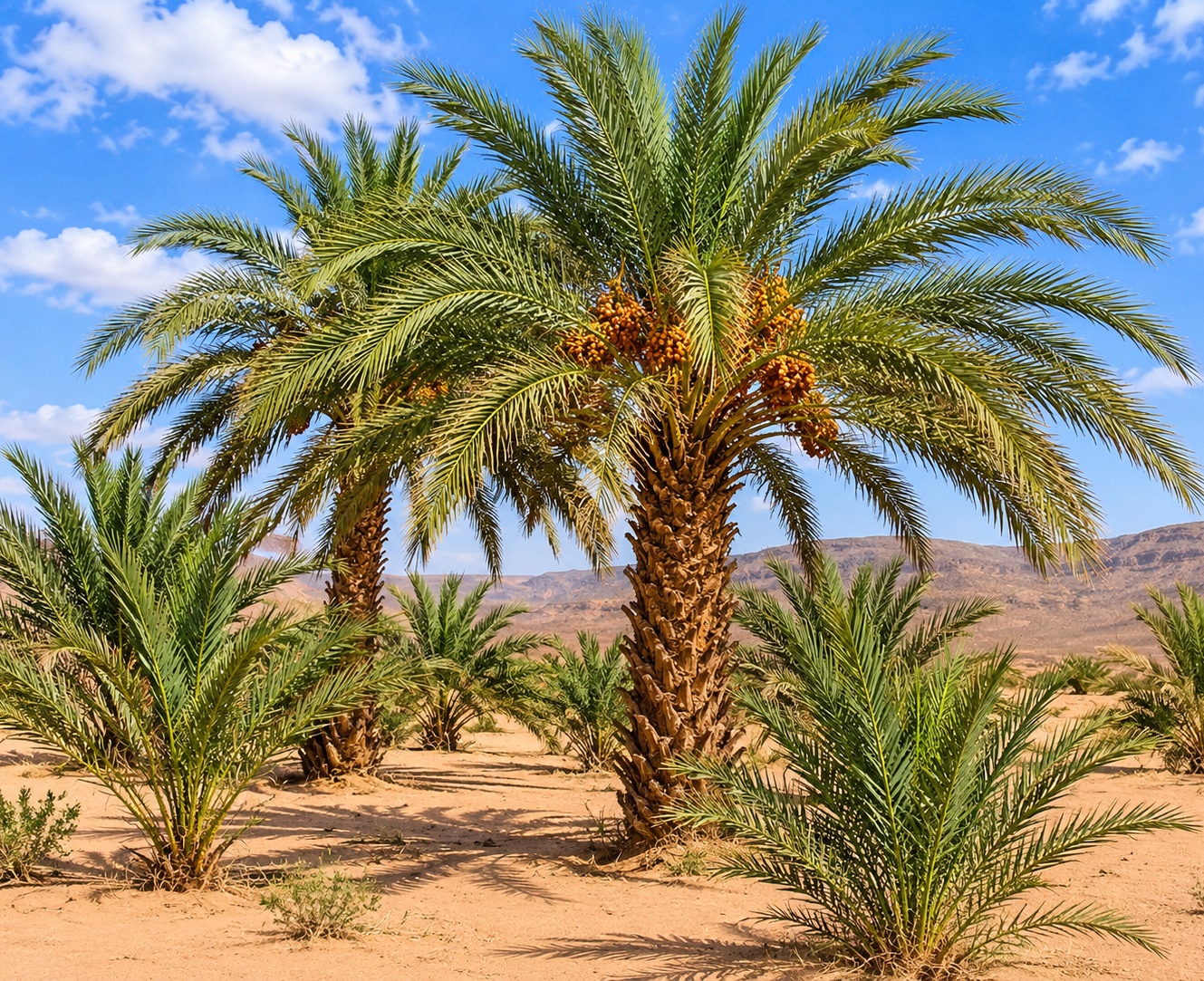
Date Palm
Common name: Date Palm
Arabic name: ANNAKHLA
Scientific name: Phoenix dactylifera
Family: Arecaceae
Habitat: Oases and hot, arid regions.
Description
The date palm is an iconic tree of Morocco's oases, particularly in M’hamid El Ghizlane. It has a straight, strong trunk topped with long green leaves called fronds. It produces clusters of fruits known as dates, which change colour as they ripen.
Ecological and Economic Importance
The date palm plays an essential role in oasis life. It provides dates, offers shade for other crops and helps create a favourable environment for vegetation. It is also an important source of income for farmers.
The date palm can live for several decades and produce clusters of dates every year. It is considered a symbol of life and wealth in desert regions.
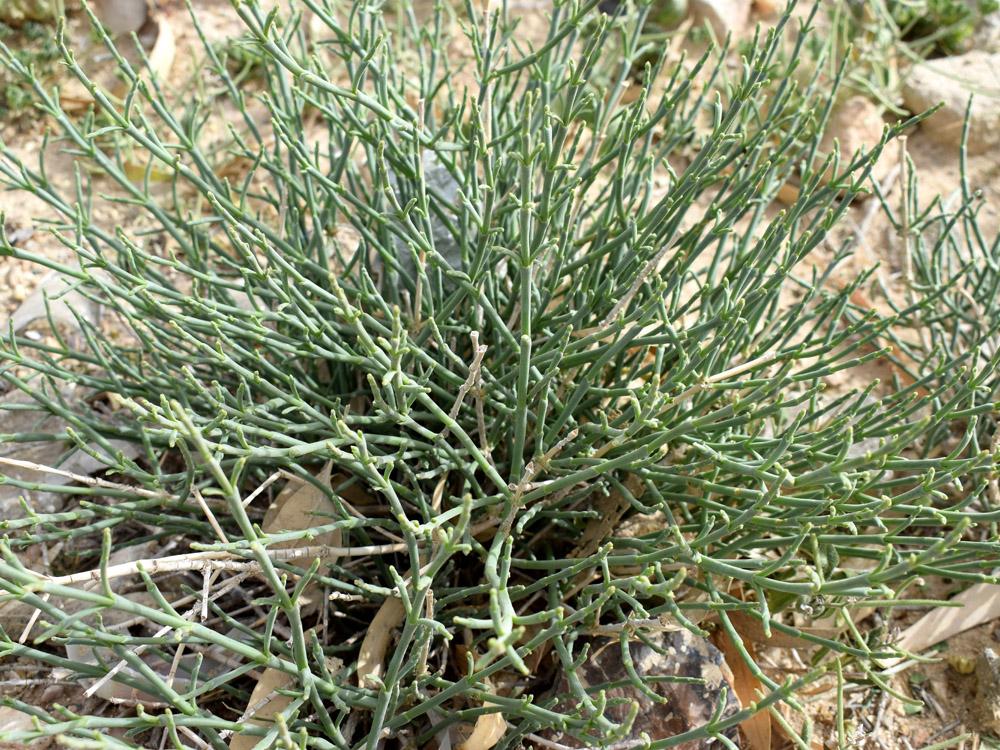
Haloxylon scoparium
Common name: Haloxylon scoparium
Local name: ARREMTH
Scientific name: Haloxylon scoparium
Family: Amaranthaceae
Habitat: Arid regions, desert steppes and sandy or saline soils.
Description
"Haloxylon scoparium" is a desert shrub that grows in the arid regions of Morocco, particularly in the M’hamid El Ghizlane Desert. It has numerous small, thin green branches and very reduced leaves. Its bushy appearance helps it withstand the harsh conditions of the desert, particularly drought and high temperatures.
Ecological Importance
"Haloxylon scoparium" helps stabilise the soil and combat erosion. It is also a food resource for certain herbivorous animals and contributes to preserving biodiversity in desert environments.
"Haloxylon scoparium" is a plant particularly well adapted to life in arid environments. Its small leaves reduce water loss and help it withstand drought.
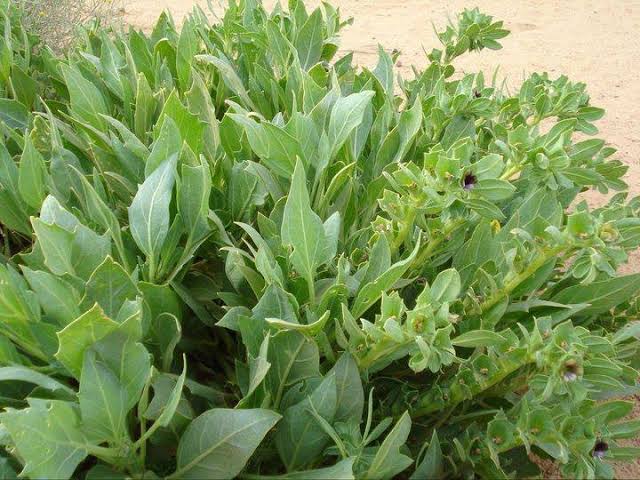
Egyptian Henbane
Common name: Egyptian Henbane
Local name: LABTIMA
Scientific name: Hyoscyamus muticus L.
Family: Solanaceae
Habitat: Dry riverbeds and roadsides, particularly in the M’hamid El Ghizlane region.
Description
Egyptian henbane is a perennial herbaceous plant that can reach 1.5 metres in height. It has long, branched stems, large leaves at the base and narrower leaves towards the top. Its flowers grow in dense clusters. They have a whitish or greenish corolla with dark purple parts. Its fruits are capsules containing numerous seeds.
Ecological Importance
This plant is part of the naturally occurring flora of desert environments. It contributes to the natural plant diversity of the Saharan region.
Egyptian henbane is an extremely poisonous plant. It contains powerful alkaloids and can cause serious poisoning. It must never be eaten or used in traditional preparations.
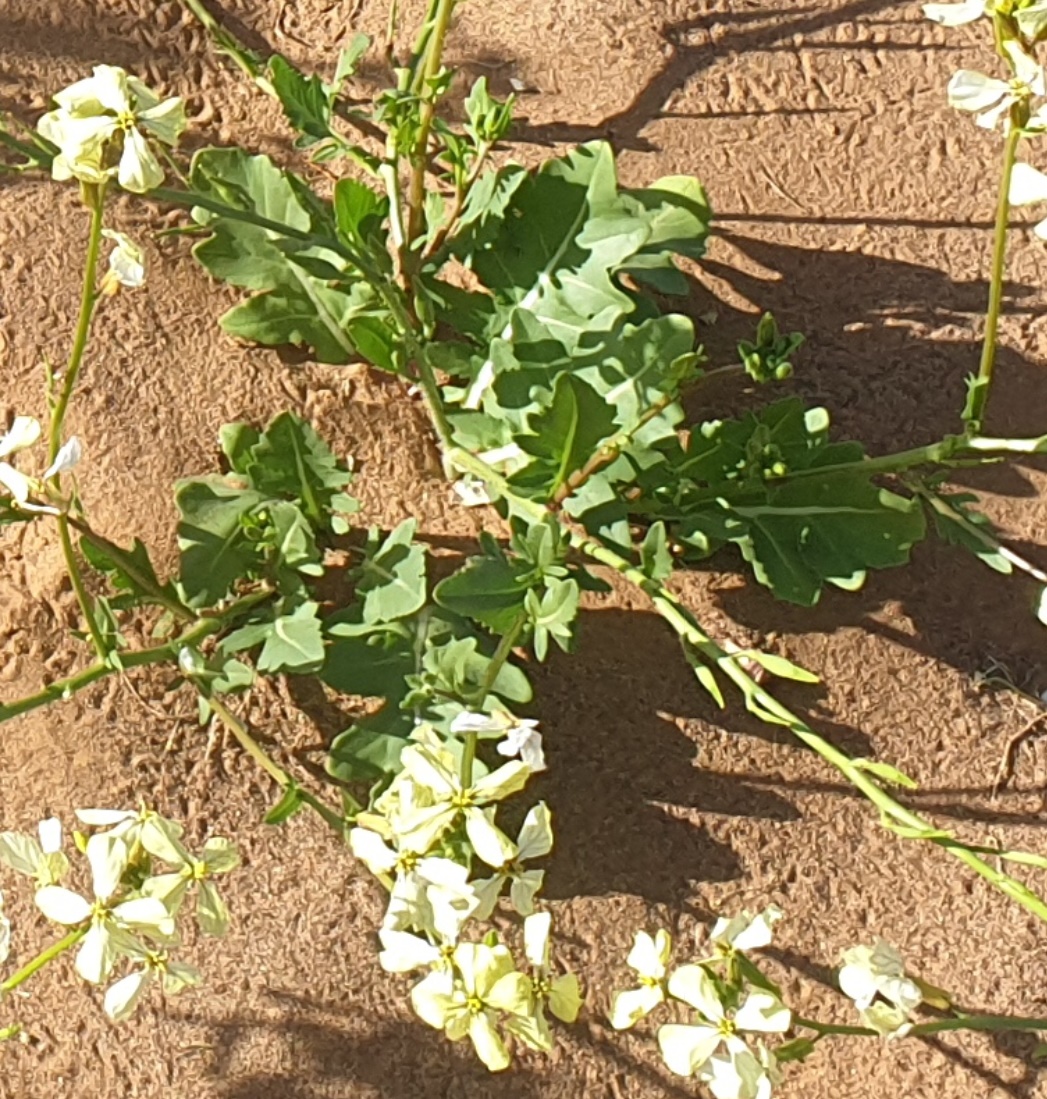
Wild Rocket
Common name: Wild Rocket
Local name: AL’HARRA
Scientific name: Diplotaxis spp.
Family: Brassicaceae
Habitat: Cultivated land, fields, plains and arid regions.
Description
Wild rocket is a herbaceous plant that grows naturally in different regions of Morocco, especially in the Mhamid El Ghizlane area. It has green, sometimes deeply divided leaves and small yellow flowers with four petals. Its leaves have a distinctive smell and a spicy, slightly bitter taste.
Food Use
Its young leaves are eaten raw in salads or added to certain dishes. They are appreciated for their strong and slightly spicy flavour.
Wild rocket is an edible plant traditionally used in the diets of certain rural communities.
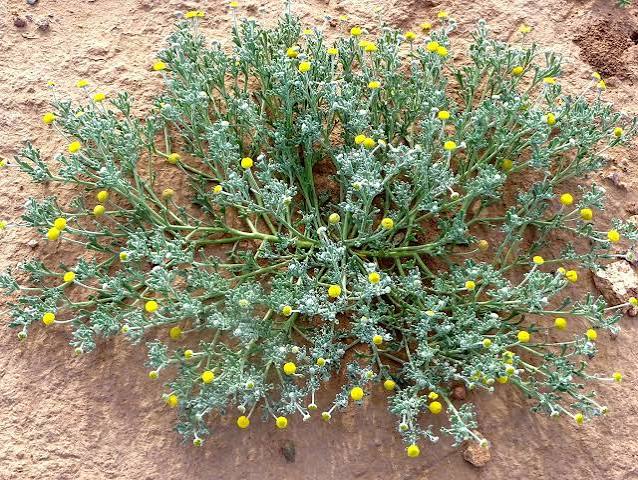
Valencia Anacyclus
Common name: Valencia Anacyclus
Local name: Lgartufa
Scientific name: Anacyclus valentinus L.
Family: Asteraceae
Habitat: Arid regions, clayey land, uncultivated soils and roadsides.
Description
Anacyclus valentinus is an annual herbaceous plant that grows naturally in different regions of Morocco, particularly in the M’hamid El Ghizlane region.
It has branched stems, finely divided greyish-green leaves and small yellow flowers grouped in flower heads. It generally grows between 10 and 30 cm in height.
Distinctive Characteristic
Lgartufa is distinguished by its strong smell and flavour, which are very similar to those of Chiba (wormwood). This aromatic characteristic is well known in local practices.
Ecological Importance
This wild plant contributes to the plant diversity of arid environments and is part of the natural flora of Mediterranean and North African regions.
Anacyclus valentinus is also known in French as “Anacycle de Valence”. It belongs to the same botanical family as chamomile and the daisy.
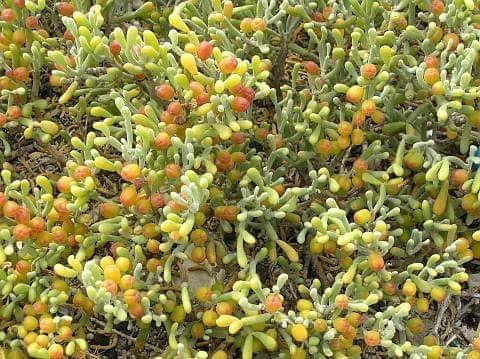
Sahara Zygophyllum
Common name: Sahara Zygophyllum
Local name: L'Agaya
Scientific name: Zygophyllum gaetulum
Family: Zygophyllaceae
Habitat: Desert regions, saline riverbeds and arid land.
Description
L'Agaya is a wild plant adapted to the difficult climatic conditions of the desert. It grows in arid environments and saline soils. It has fleshy leaves and branched stems. Its flowers are generally small, and its fruits have a distinctive shape.
Ecological Importance
This plant contributes to the plant biodiversity of the Moroccan Sahara. It is particularly adapted to difficult soils and provides a floral resource appreciated by bees.
Zygophyllum gaetulum is a characteristic species of Moroccan Saharan flora.
In the traditional medicine of nomadic communities in the Sahara, this plant is used to relieve certain stomach disorders and digestive problems. This use is part of traditional medicinal knowledge and practices passed down from generation to generation.
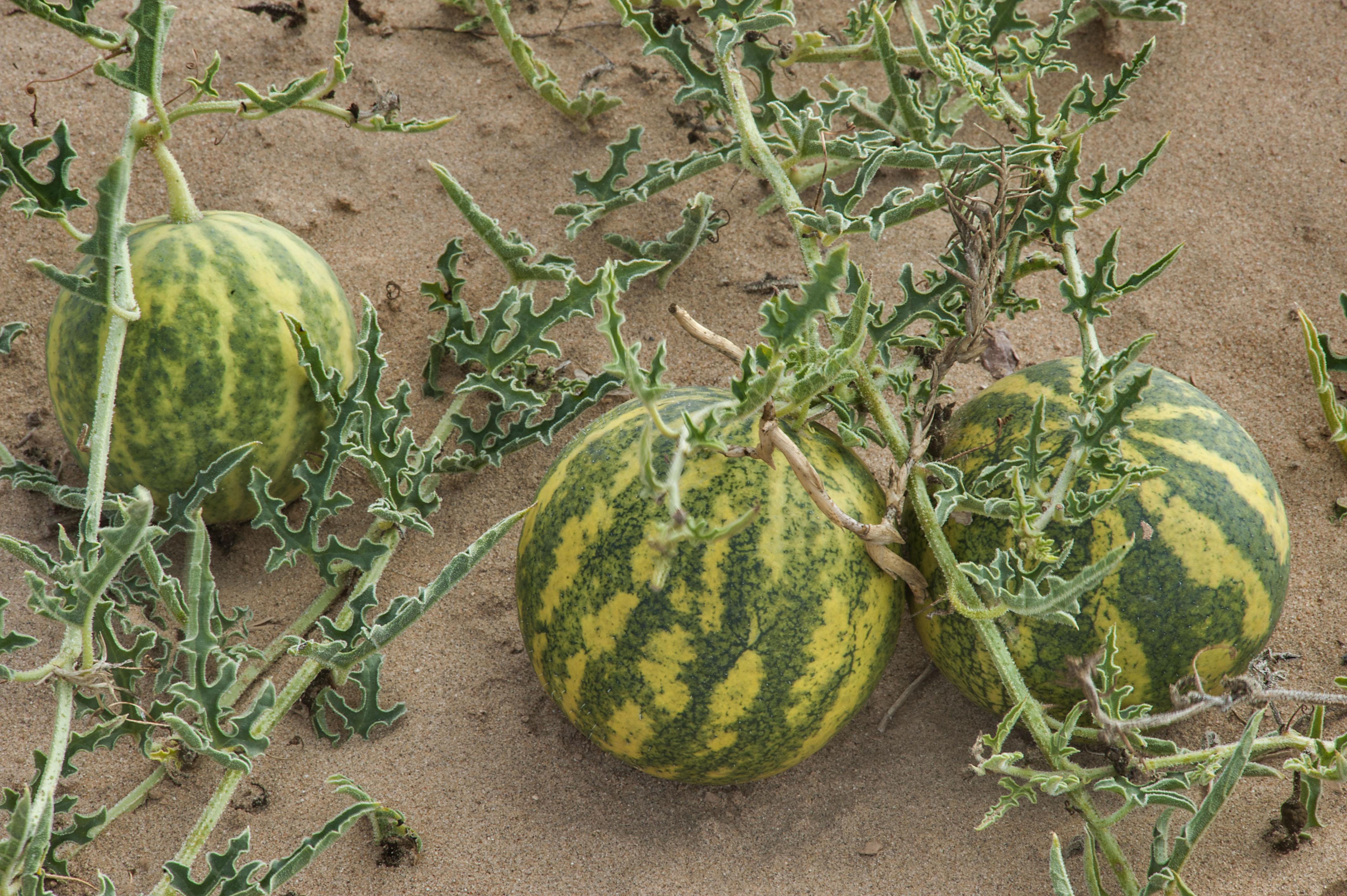
Colocynth
Common name: Colocynth
Local name: LA’HDAJ
Family: Cucurbitaceae
Botanical Description
Colocynth is a perennial herbaceous plant that grows close to the ground. Its long creeping stems can spread over several metres. Its leaves are green, rough and deeply divided into several lobes. Its flowers are small and pale yellow. Its fruit is round, resembles a small watermelon and usually has green and yellow markings. When ripe, it often becomes entirely yellow. Its pulp is very bitter.
Habitat
This plant grows in the arid and desert regions of North Africa and the Sahara. It is found particularly in sandy areas, depressions and places where rainwater can temporarily collect.
Ecological Importance
Colocynth is part of the natural vegetation of the desert. It contributes to plant diversity in Saharan environments and can provide shelter for small animals.
Despite resembling a small watermelon, colocynth is a very poisonous plant. All its parts can be dangerous, particularly the fruit and seeds.